


 Italiano
 English GB

Cork and Circular Economy: A Model of Sustainability in Construction
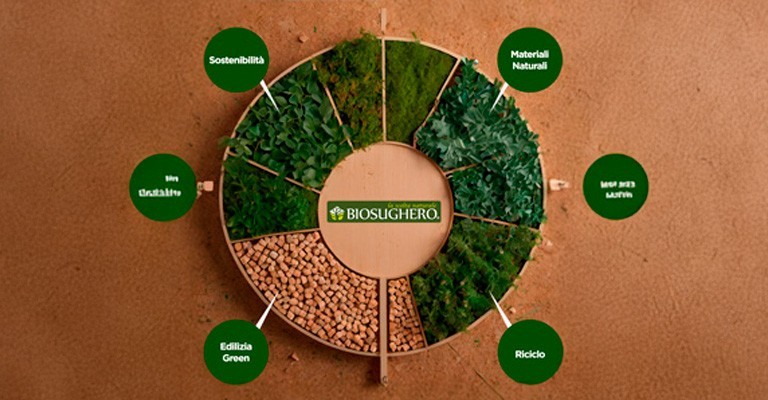
Cork and Circular Economy: A Model of Sustainability in Construction
Cork, a natural and versatile material, has always been valued for its unique properties. But beyond its functionality, cork represents a virtuous example of a circular economy, a model that is revolutionizing the construction sector towards greater sustainability. In this article, we explore how cork perfectly aligns with the principles of the circular economy, becoming a key ally for a greener and more responsible construction industry.
What Is the Circular Economy and Why Is It Important?
The circular economy is an economic system designed to regenerate itself, minimizing waste and maximizing resource reuse. Unlike the traditional linear model (produce, use, dispose), the circular economy promotes reuse, recycling, and the reduction of environmental impact. In the construction sector, where building materials account for a significant portion of the global environmental footprint, adopting circular principles is essential to reducing pollution and preserving natural resources. And this is where cork shines.
Cork: A Natural and Circular Material
Cork is harvested from the bark of the cork oak tree (Quercus suber), a species that grows mainly in the Mediterranean basin. The harvesting process is sustainable and environmentally friendly: the bark naturally regenerates after each harvest without harming the tree. This makes cork a 100% renewable resource. But the circularity of cork goes even further. Thanks to its physical and chemical properties, cork can be recycled and reused multiple times without losing its key characteristics.
Cork in Sustainable Construction
In construction, cork is primarily used as an insulating material. Thanks to its unique cellular structure, cork provides excellent thermal and acoustic performance, reducing a building’s energy consumption and improving indoor comfort. But what truly makes cork a champion of the circular economy is its life cycle:
Sustainable Production: Cork harvesting does not require tree cutting and promotes forest biodiversity.
Long Lifespan: Cork is a durable material that maintains its properties over time, reducing the need for frequent replacements.
Recyclability: Cork waste and end-of-life materials can be ground and reused to create new products such as insulation panels, design objects, or flooring.
Low Environmental Impact: Cork is biodegradable and, at the end of its life cycle, leaves no polluting residues.
Advantages of Cork for a Circular Construction Model
Waste Reduction: Using recycled cork helps decrease landfill waste.
Energy Savings: Thanks to its insulating properties, cork contributes to reducing building energy consumption, lowering CO2 emissions.
Promotion of Biodiversity: Cork forests are essential habitats for many plant and animal species, supporting ecosystem conservation.
Cork as a Model to Follow
Cork is a perfect example of how a natural material can align with circular economy principles, offering sustainable solutions for modern construction. Choosing cork means not only investing in a high-performance material but also contributing to a greener and more environmentally friendly future.
If you're looking for a material that combines sustainability, durability, and circularity, cork is the answer. Discover how BIOSUGHERO can help you integrate this extraordinary material into your construction projects, transforming your buildings into models of sustainability.
In Same Category
- Renew your spaces with 3D cork panels: the revolution of natural design
- How to Eliminate Mold in Your Home Naturally and Permanently: The Solution with Cork Panels
- Sughero: isolamento naturale che dura nel tempo, resiste all’umidità e si adatta a ogni ambiente
- Cork and Living Comfort: Benefits for Health and Wellbeing
- Cork: The Future of Sustainable Thermal Insulation