Italiano
 English GB



Applications:
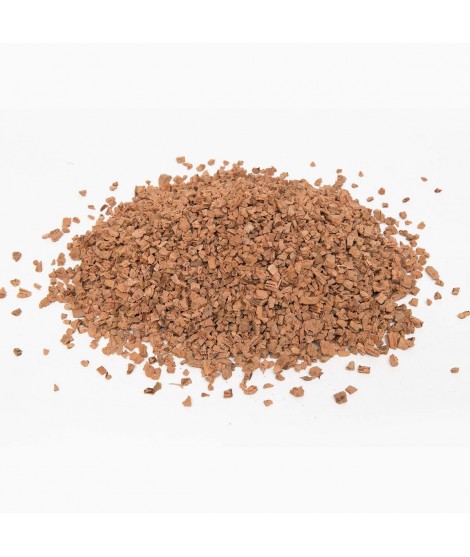
GRAIN SIZE 1/4 MM, SOLD IN 0,125 MC BAGS, 8 BAGS = 1 MC
€27.00 sacco da 0,125 MC
Applications:
GRAIN SIZE 1/4 MM, SOLD IN 0,125 MC BAGS, 8 BAGS = 1 MC
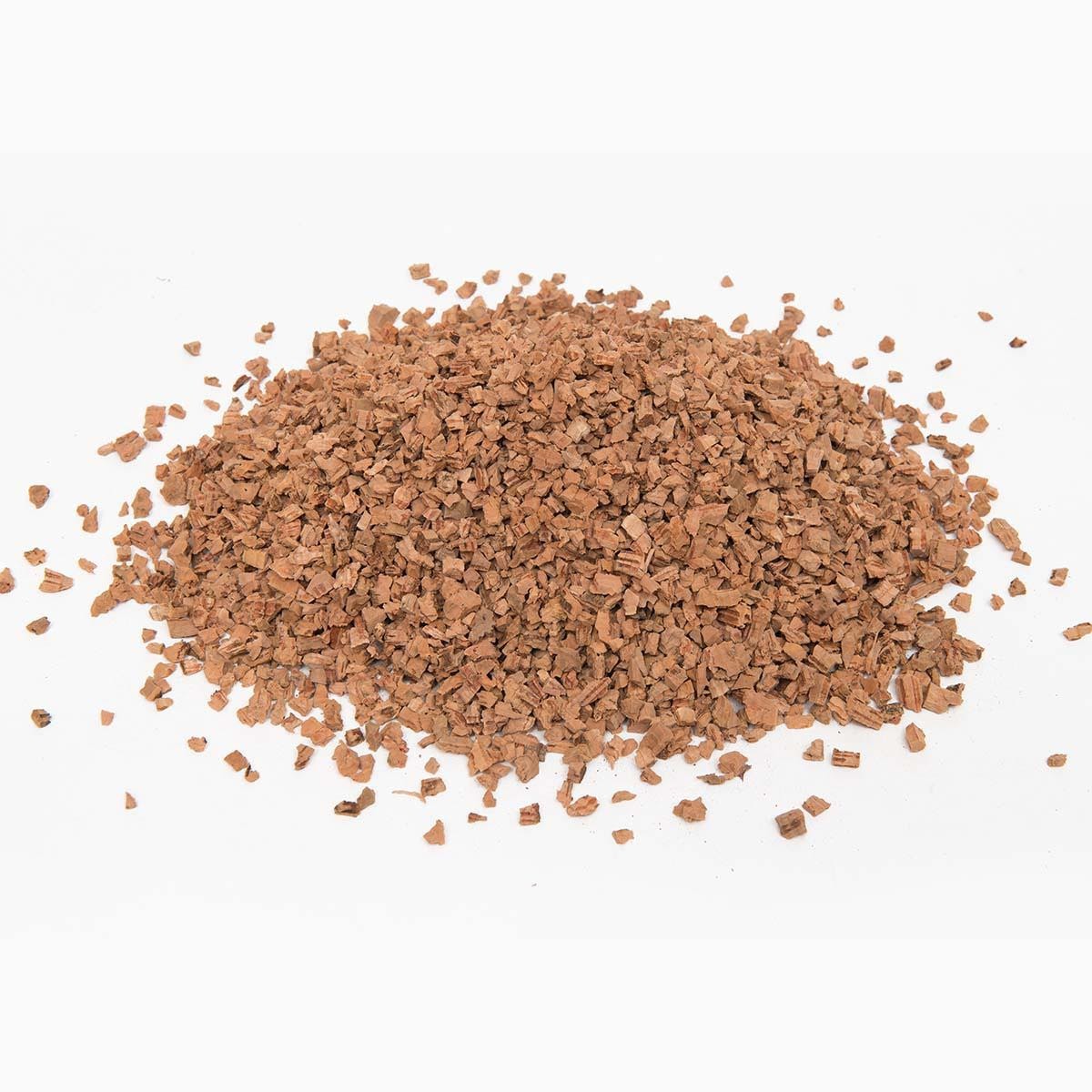
BioGran Granulated Cork
BioGran is obtained by grinding reclaimed materials and processing scraps from BioCork panels, retaining all their inherent qualities: rot resistance, durability, stability, and insensitivity to water and moisture.
Available in various grain sizes, BioGran is typically used:
As-is for thermal and acoustic insulation of cavity walls via blow-in insulation (RENT the insulator and carry out the work yourself!),
Or mixed with sealant or cement to produce lightweight screeds and attic insulation layers.
It is sold in 0.125 m³ bags, to make 1 cubic meter you need 8 bags
Discover the Many Applications of Light Granulated Cork!
1. Wall Cavity Insulation Use: Filling the gaps in double-wall cavities for thermal and acoustic insulation.
Small holes are drilled at the top of the internal or external walls.
Cork is blown in using an insulation blowing machine (see equipment and RENTAL page).
Holes are sealed afterward with mortar or putty. Note: Ideal for existing buildings with uninsulated cavity walls.
2. Attic and Non-Walkable Floor Insulation Use: Seasonal thermal insulation for floors above unheated spaces or ventilated roofs. Application:
Cork is spread evenly on the floor in a layer typically 8–15 cm thick.
Alternatively, it can be blown into roof cavities. Note: No bonding or fasteners required; loose-fill material is easy to remove.
3. Mixes for Thermal and Breathable Plasters Use: Creating breathable, insulating renders.
Cork is mixed with natural lime or clay on site or in a concrete mixer.
Applied manually or with machines on interior or exterior walls. Note: Ideal for green building restoration and wall breathability.
4. Cavity and Utility Space Insulation Use: Filling voids to reduce thermal bridging and acoustic leaks.
Cork is poured manually or blown into small spaces using proper tools.
Small fabric pouches filled with cork may also be used. Note: An efficient and simple solution to address thermal weak points.
5. Internal Partition Wall Insulation Use: Improving sound insulation between rooms.
During construction, cork is poured between double walls (brick or plasterboard). Note: Especially effective against airborne noise.
6. Lightweight Insulating Subfloors Use: Filling lightweight, thermally insulating subfloors, especially in historic buildings. Application:
Cork is mixed with lime or cement.
The mix is spread, leveled, and covered with screed or final flooring. Note: Suitable for renovations where weight load needs to be minimized.
7. Natural, Shock-Absorbing Packaging Use: Packing fragile items for protection.
Granulated cork is freely poured into containers or boxes. Note: 100% natural, reusable, and biodegradable.
It is sold in 0.125 mc bags
No customer reviews for the moment.

(16 other products in the same category)